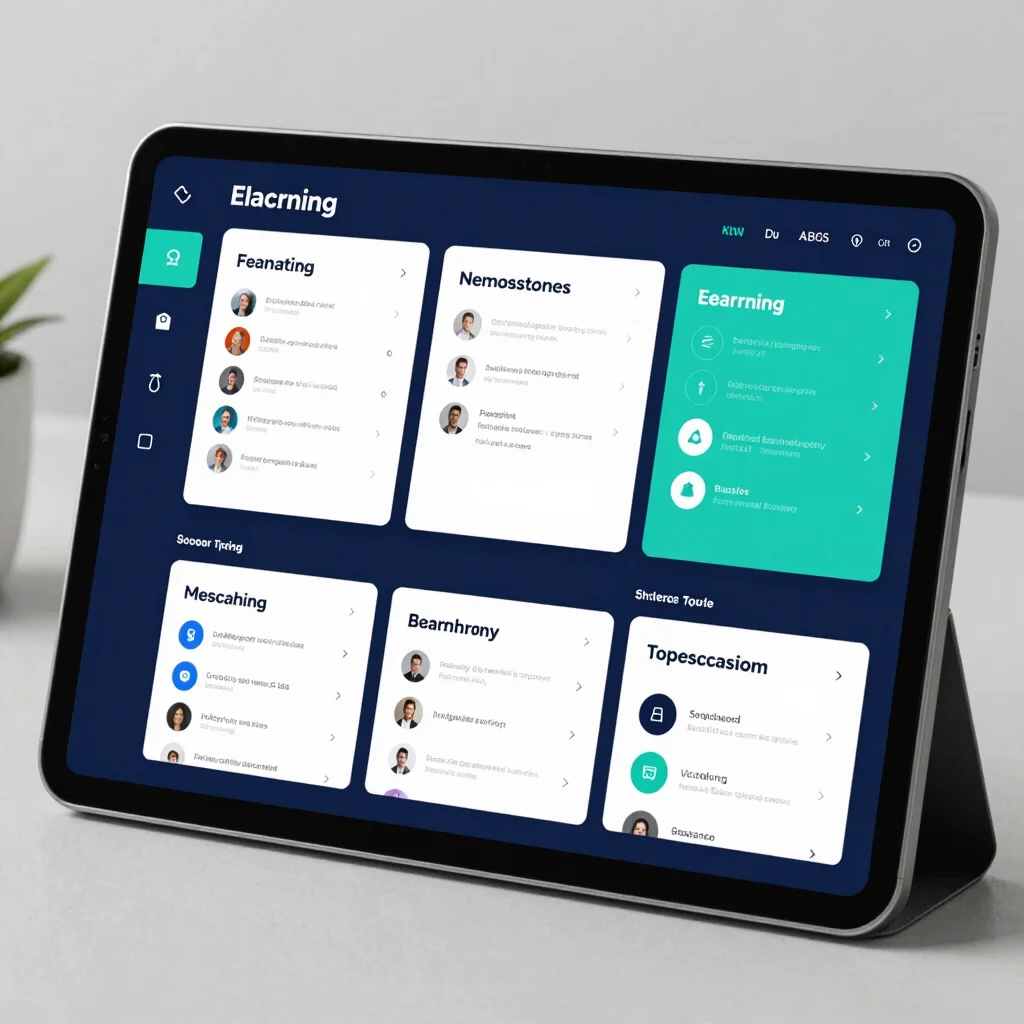
Traditional linear instructional design processes frequently stall during the transition from static scripts to functional course builds. The Successive Approximation Model addresses this bottleneck through rapid iterative loops that test interactive concepts early in the project lifecycle. Utilizing standardized, production-ready template architectures enables training teams to produce functional prototypes during initial stakeholder alignment meetings.
Iterative Prototyping with Pre-Built Structures
During the initial Savvy Start phase, team members use pre-configured slide frameworks to mock up high-risk learning interactions within hours. Rather than debating abstract storyboards, stakeholders evaluate live branching scenarios and interactive knowledge checks directly. This hands-on review phase surfaces structural misunderstandings immediately, saving significant revision effort later.
Standardizing Design Tokens for Rapid Revisions
Rapid prototyping relies on modular design systems where visual styling is decoupled from core interaction triggers. Configuring global color palettes, typography master slides, and player navigation elements allows developers to update branding instantaneously across hundreds of slides. Maintaining clean object naming conventions ensures that content updates do not break complex JavaScript triggers or accessibility focus sequences.
Validating Learning Objectives in Early Builds
Shipping functional prototypes early allows instructional architects to run pilot usability tests with target learners before final asset polished production. Direct observation reveals whether intuitive navigation cues guide users seamlessly through complex decision scenarios or if instructions require clarification. Incorporating learner feedback into early iterative drafts yields higher retention rates and measurable performance improvement upon final LMS rollout.
Leave a Reply